
Ready to source a custom aluminum part? Drawing review starts here. Send your drawing →

BLESS / DRAWING GUIDES

Low pressure vs gravity casting

Low pressure casting uses applied pressure for mold filling; gravity casting relies on gravity. A process choice still requires a review of geometry, tooling, material, production needs and acceptance criteria.

Taicang & GaoyouDrawing-led manufacturing
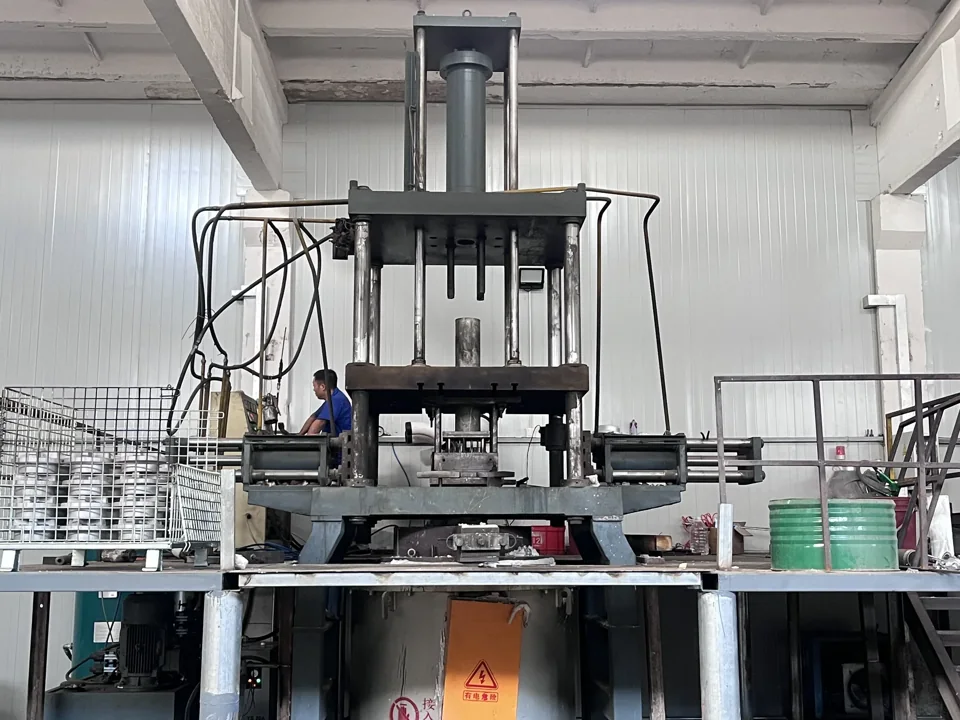
Photograph from the BLESS company archive.

Start with the filling method

Low pressure casting uses applied pressure to move molten metal into the mold. Gravity casting relies on gravity for filling. These are different filling approaches; the name of the process alone does not confirm which route fits a particular component.

Review the component as a whole

Bring the drawing revision, application, material specification, critical dimensions, machining, surface requirements and inspection records into the same discussion. Mark open questions rather than assuming a standard specification.

Keep casting and machining connected

A casting may also need CNC machining for mating faces, bores and threads. Datums and dimensional requirements should be shown on the drawing so the two stages can be discussed as one project.

Confirm the next step

An initial review is not a confirmed manufacturing specification or quotation. Ask which information is still needed, what is included in the proposed scope and how samples and inspection will be agreed.

Frequently asked questions

What is the difference between low pressure casting and gravity casting?

Low pressure casting uses applied pressure to move molten metal into the mold. Gravity casting relies on gravity for filling. The filling method alone does not determine suitability: review the geometry, tooling, material, production needs and acceptance criteria together.

Can an aluminum casting also require CNC machining?

Yes. Casting establishes the basic component shape; CNC machining may be specified for features such as mating faces, bores and threads. Mark these requirements on the drawing, including datums and dimensional requirements, so casting and machining can be discussed as one project.

Ready to send
your drawing?

Tell us what the part must do. A clear first reply should explain what we can confirm, and what we still need from you.

Drawing review DFM questions Clear first reply

Useful project information

  • Current drawing and revision
  • Material and estimated quantity
  • Critical features and surface requirements
  • Project stage and delivery destination

Get a quote

Please share your project details. You can also email drawings to bless@blesscasting.com.

Drawing attachmentOptional

PDF, STEP, IGES, STL, DWG, DXF, ZIP, JPG or PNG. Up to 5 files, 15 MB total. Drawings are sent with your inquiry email.